Blogs
Top Veneer Manufacturer in Delhi NCR: How to Choose the Right Veneer
Top Veneer Manufacturer in Delhi NCR: How to Choose the Right Veneer
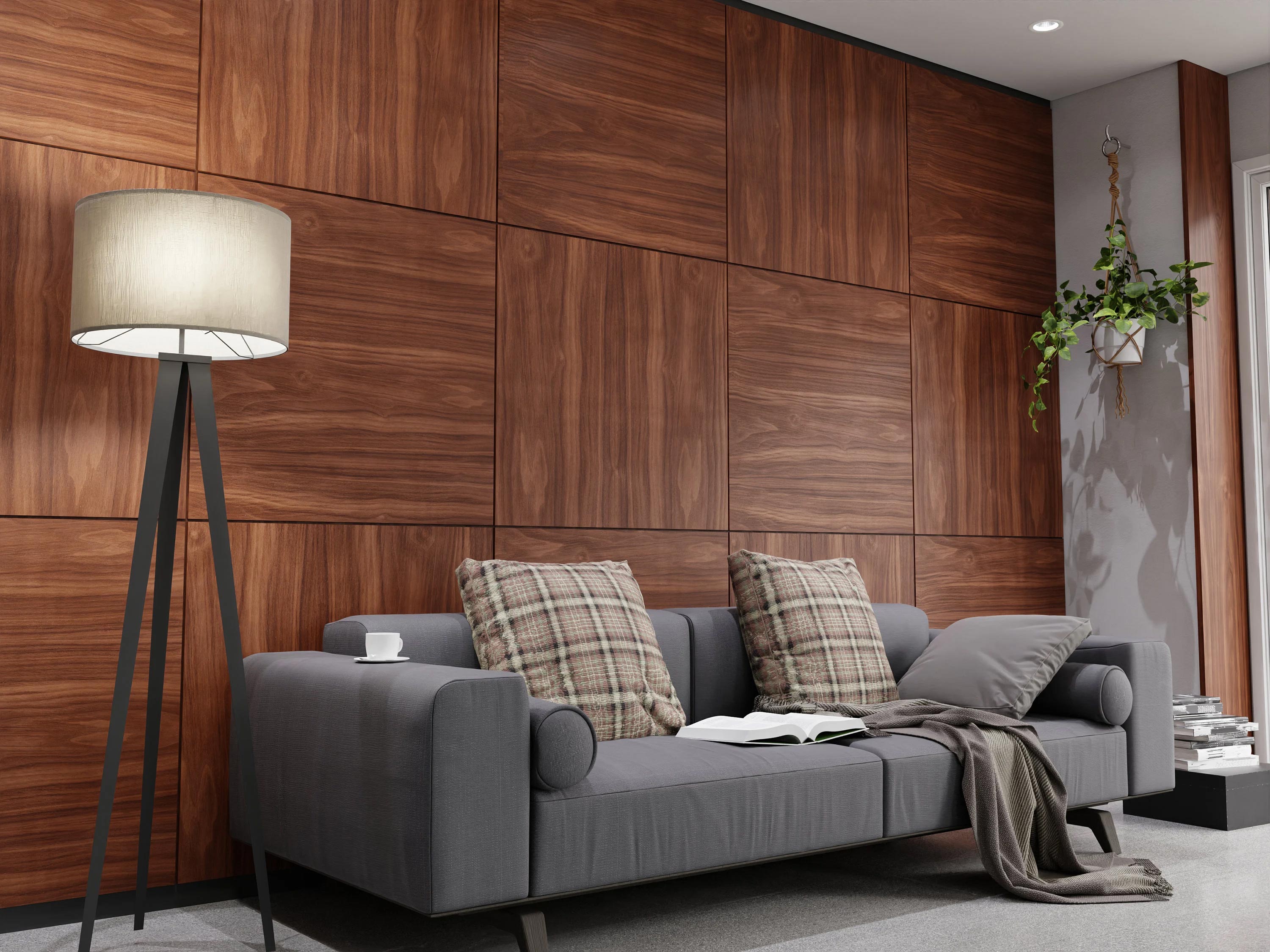
Choose a veneer manufacturer or supplier based on the quality and authenticity of the wood, variety of veneer options, consistency between sheets, available finishes, application support and after-sales service. It is also worth seeing physical samples before making a decision, especially for large furniture or interior projects.
1. Why veneer still works so well in modern interiors
There is something about real wood that is difficult to reproduce.
You can print a wood pattern on laminate. You can create an incredibly realistic texture. But when light falls across genuine wood grain, there is a depth and variation that immediately feels different.
That is one reason veneer continues to have a place in premium interiors.
Natural wood veneer is essentially a thin slice of real wood applied over a stable base such as plywood or MDF. Instead of building an entire piece from solid timber, you get the visual character of real wood on a more practical engineered panel.
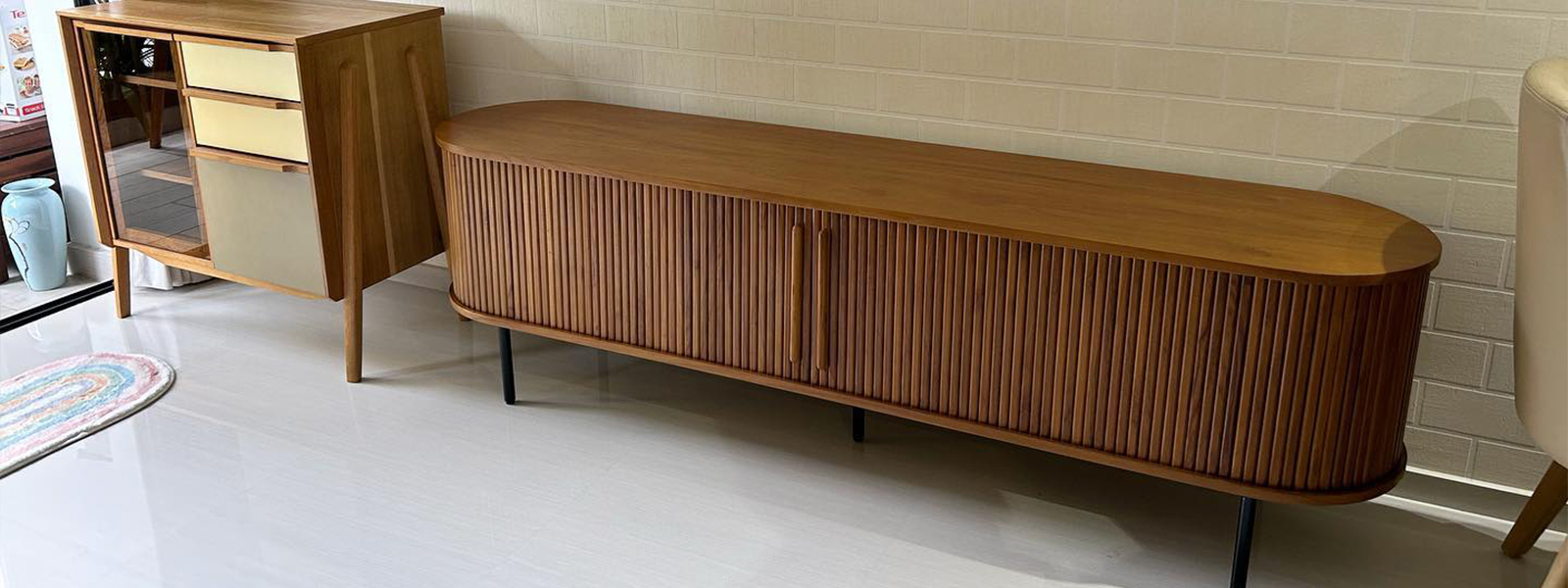
For a homeowner, this can mean a beautifully finished wardrobe or TV unit without making every component unnecessarily heavy or expensive.
For an architect or interior designer, veneer offers something else: flexibility.
You can choose different species, grains, colours, matching patterns and finishes to create a very specific look.
And in Delhi NCR, where homeowners are becoming more particular about the quality of their interiors, that distinction matters.
2. What actually makes a veneer worth buying?
This is where buyers often go wrong.
They see a beautiful veneer sample, like the colour and immediately ask for the price.Price matters, of course. But it shouldn't be the first and only question.
A better starting point is: What am I actually getting for the price?
-
Look at the wood itself
Natural veneer should look like natural wood. Variations in grain, tone and figure aren't necessarily defects. In many cases, they are exactly what makes the material attractive.
-
Ask about the matching
This is particularly important for wardrobes, large wall panels and furniture with several adjoining panels.
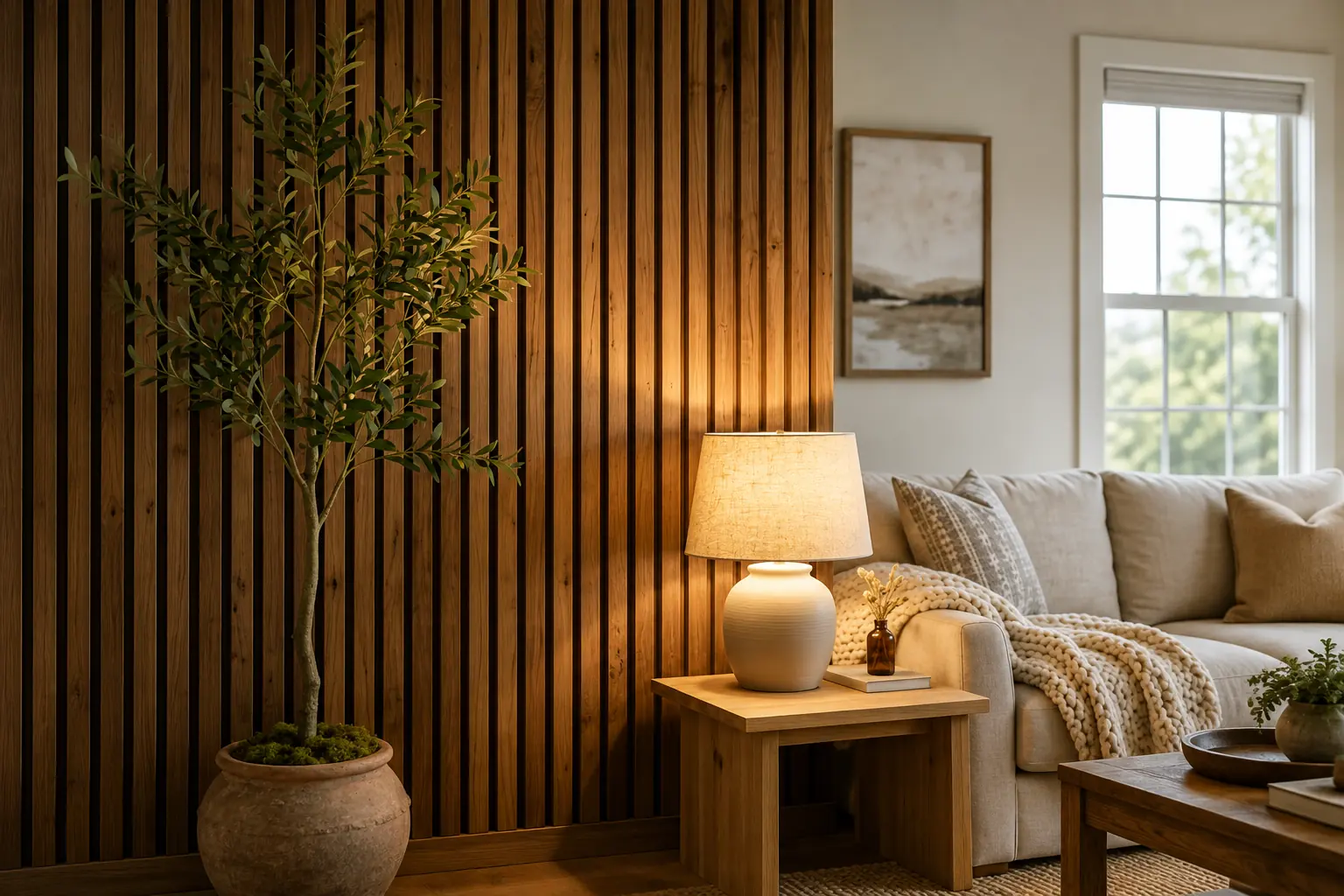
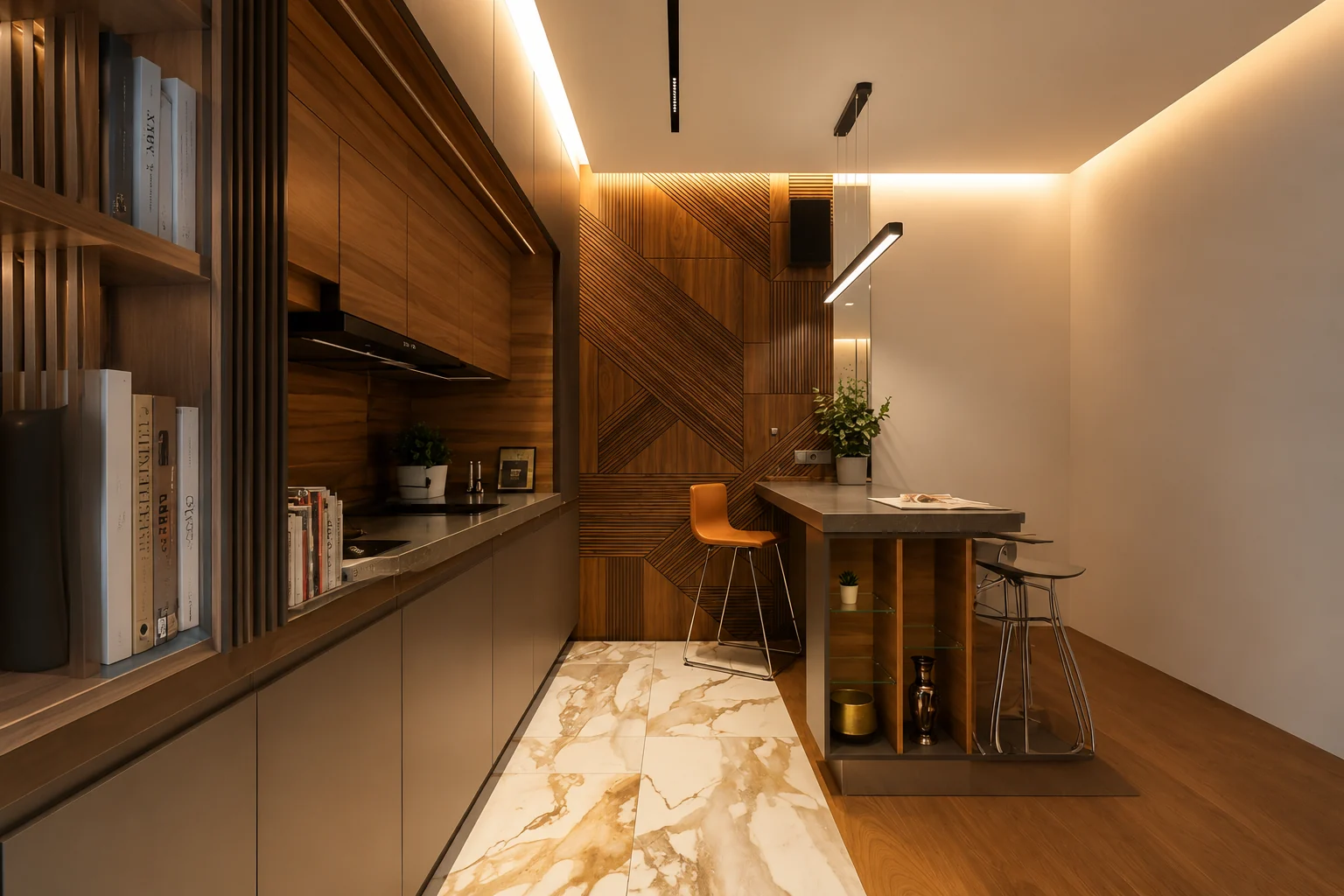
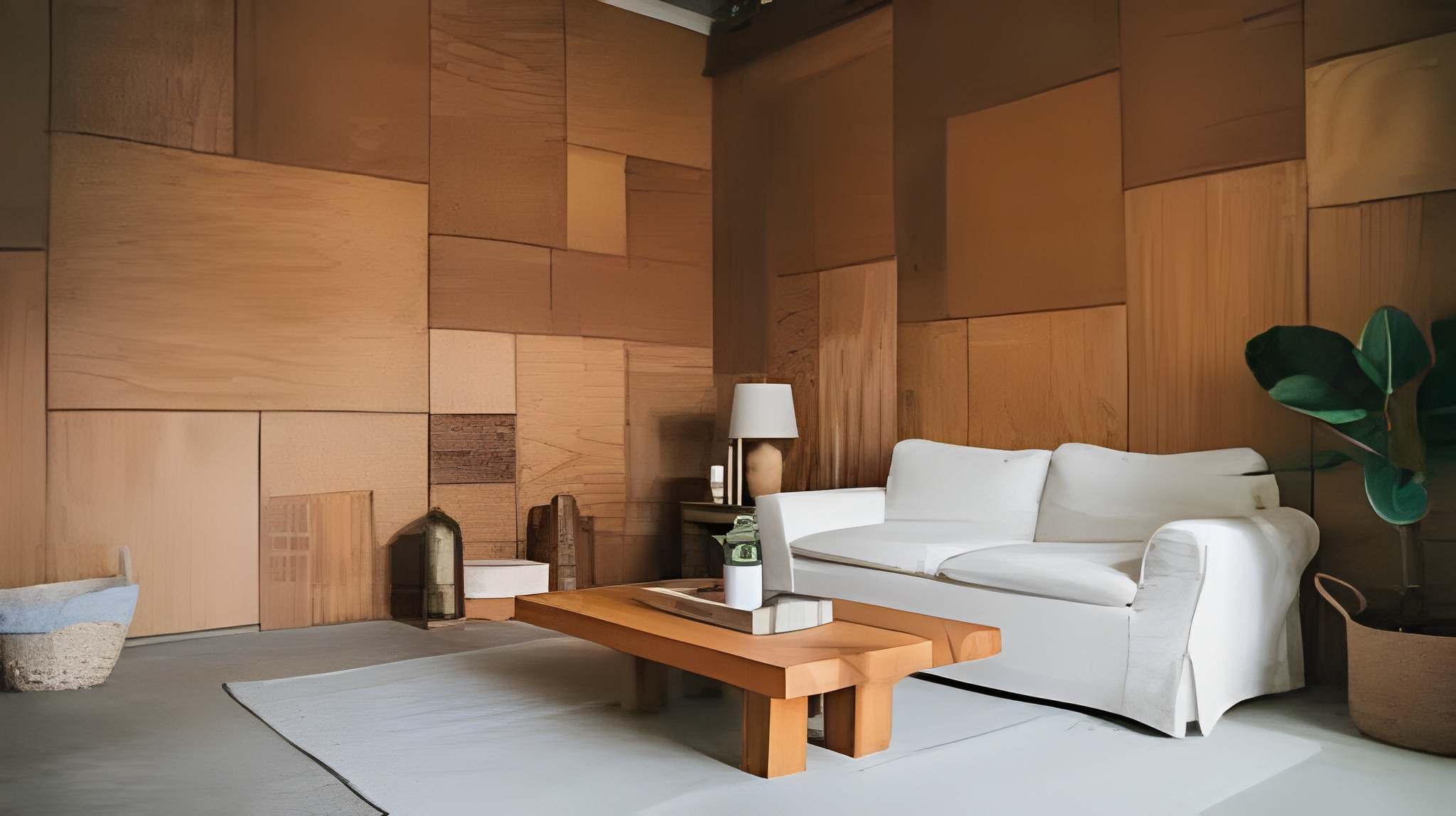
Book matching, slip matching and random matching can produce very different visual results. For a feature wall, a carefully planned book match can create a dramatic symmetrical appearance, while slip matching may give a calmer, more continuous look.
If you're spending money on premium veneer, don't leave this decision entirely to the carpenter at the installation stage. -
Don't ignore the finish
The same veneer can look completely different with different finishes.
A matte finish can keep the wood looking understated and natural. A higher-sheen finish can make the grain appear richer and more dramatic.
The finish also affects how the surface will behave in everyday use. -
Buy from someone who understands applications
A good natural wood veneer supplier in Delhi should be able to answer practical questions.
Which veneer works for a wardrobe? What should be used on a feature wall? Is the selected veneer suitable for a curved surface? Which substrate should be used?
If the answer to these questions is simply "take this one, it's premium," you probably need a better conversation.
3. Natural, dyed, recon or embossed: understanding your options
"Veneer" isn't one single product.
The right choice depends heavily on the appearance you want and how much consistency the project requires.
-
Natural veneer
This is the obvious choice when you want genuine wood character.
Natural veneer retains the grain and visual variation of the original timber. It works particularly well on furniture, wardrobes, doors and feature walls where the wood itself is supposed to be part of the design. -
Dyed veneer
Dyed veneer gives designers more control over colour.
It can be useful when the natural colour of a species doesn't quite fit the colour palette of the room, but the designer still wants genuine wood grain. -
Recon veneer
Reconstituted or recon veneer is made to create a more controlled and repeatable appearance.
That can be useful on larger projects where you don't want every panel to look dramatically different. -
Embossed veneer
Here, texture becomes part of the design.
Instead of relying only on colour and grain, embossed surfaces introduce another visual and tactile layer. -
Hybrid and designer veneers
These are useful when the project calls for something less conventional.
OneWood Surfaces currently lists natural, solid wood, dyed, recon, hybrid, embossed and ombre veneer categories, along with options including American Maple, Sycamore, Anegre, American White Ash and patterned designs such as Linear Herringbone and Pristine Chevron.
That variety is useful because not every client wants the same predictable brown wood finish.
4. Veneer or laminate: which one should you choose?
This question comes up in almost every interior project.
The honest answer is: neither is universally better.
They solve different problems.
5. How to select veneer without regretting it later
Here's the approach I'd recommend before ordering.
-
1. Start with the room, not the catalogue
Don't begin by asking, "Which veneer looks expensive?" Start with the room. Look at the flooring, wall colours, lighting, furniture and overall style.
A beautiful dark walnut may look excellent in a large, naturally lit room but make a compact bedroom feel visually heavy. -
2. Decide how much grain you actually want
Some people love dramatic grain. Others want something quieter.
There is no right answer. The mistake is choosing an extremely expressive veneer simply because it looks impressive on a small sample.
Remember that a 4 × 8 ft sheet will tell a very different story from a small showroom swatch. -
3. See the actual sample
This should be non-negotiable for an expensive project.
Online photographs are useful for shortlisting. They are not enough for the final decision.
Natural wood changes with lighting, surrounding colours and finish. -
4. Think about maintenance
Ask how the finished surface should be cleaned and maintained.
A premium surface still needs appropriate care. Choosing a beautiful material and then treating it like a kitchen worktop is a quick way to ruin it. -
5. Plan the grain before installation
For large wardrobes and wall panels, grain direction can completely change the final appearance.
Discuss the matching pattern before the material is cut.
That one conversation can prevent an otherwise expensive project from looking disjointed.
6. What is trending in veneer and interiors in 2026?
-
1. Start with the room, not the catalogue
Don't begin by asking, "Which veneer looks expensive?" Start with the room. Look at the flooring, wall colours, lighting, furniture and overall style.
A beautiful dark walnut may look excellent in a large, naturally lit room but make a compact bedroom feel visually heavy. -
2. Decide how much grain you actually want
Some people love dramatic grain. Others want something quieter.
There is no right answer. The mistake is choosing an extremely expressive veneer simply because it looks impressive on a small sample.
Remember that a 4 × 8 ft sheet will tell a very different story from a small showroom swatch. -
3. See the actual sample
This should be non-negotiable for an expensive project.
Online photographs are useful for shortlisting. They are not enough for the final decision.
Natural wood changes with lighting, surrounding colours and finish. -
4. Think about maintenance
Ask how the finished surface should be cleaned and maintained.
A premium surface still needs appropriate care. Choosing a beautiful material and then treating it like a kitchen worktop is a quick way to ruin it. -
5. Plan the grain before installation
For large wardrobes and wall panels, grain direction can completely change the final appearance.
Discuss the matching pattern before the material is cut.
That one conversation can prevent an otherwise expensive project from looking disjointed.
7. Mistakes buyers commonly make
The laminate business in Delhi has shifted in a few noticeable ways recently.
-
1. Choosing only on price
Two veneers can look similar in a small photograph and behave very differently in a finished project.
-
2. Buying without checking samples
This is one of the easiest mistakes to avoid.
-
3. Ignoring grain matching
A premium veneer with poor matching can look less impressive than a more affordable veneer that has been planned and installed properly.
-
4. Using the same finish everywhere
Different rooms have different requirements. What works beautifully on a bedroom wardrobe may not be the smartest choice near areas exposed to moisture or heavy wear.
-
5. Buying from multiple suppliers without planning
For larger projects, consistency becomes important. If different batches come from different sources, getting a uniform appearance can become difficult.
8. Why OneWood Surfaces is worth considering
If you're searching for a top veneer manufacturer in Delhi NCR, it's worth looking beyond the word "manufacturer" and evaluating the complete supply experience.
OneWood Surfaces is based at 1/68, Timber Market, Kirti Nagar, Delhi, placing it within one of Delhi's established markets for timber and interior materials. The company supplies veneer along with plywood, laminates, flexible plywood and flush doors.
Its veneer collection covers several categories, including natural, dyed, recon, hybrid, embossed, solid wood and ombre veneers.
OneWood says it works with interior designers, architects, contractors and homeowners and supplies projects across Delhi NCR. Its stated delivery areas include Delhi, Gurgaon, Noida, Faridabad and Ghaziabad.
Another practical advantage is that customers can visit the Kirti Nagar showroom and see materials physically rather than making the entire decision from photographs. The company also says it provides material samples for veneer, laminates and plywood for larger project requirements.
For someone sourcing premium veneer sheets in Delhi NCR, that ability to compare materials in person can make the selection process much easier.
9. Where veneer works best in Delhi NCR projects
Veneer isn't limited to expensive living rooms. It can work across many parts of a project.
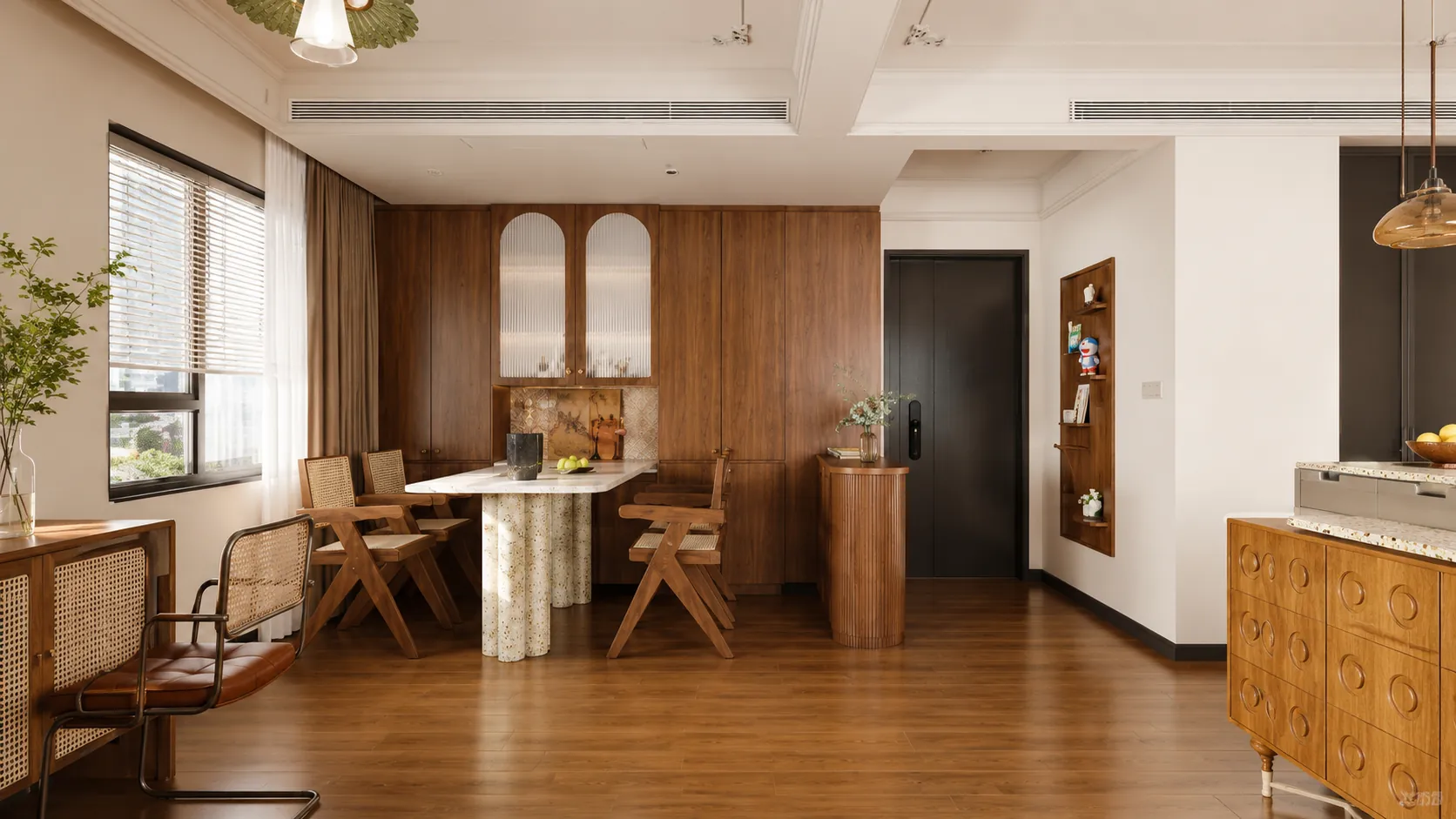
Residential interiors
-
Wardrobe shutters
-
TV units
-
Bedroom furniture
-
Study tables
-
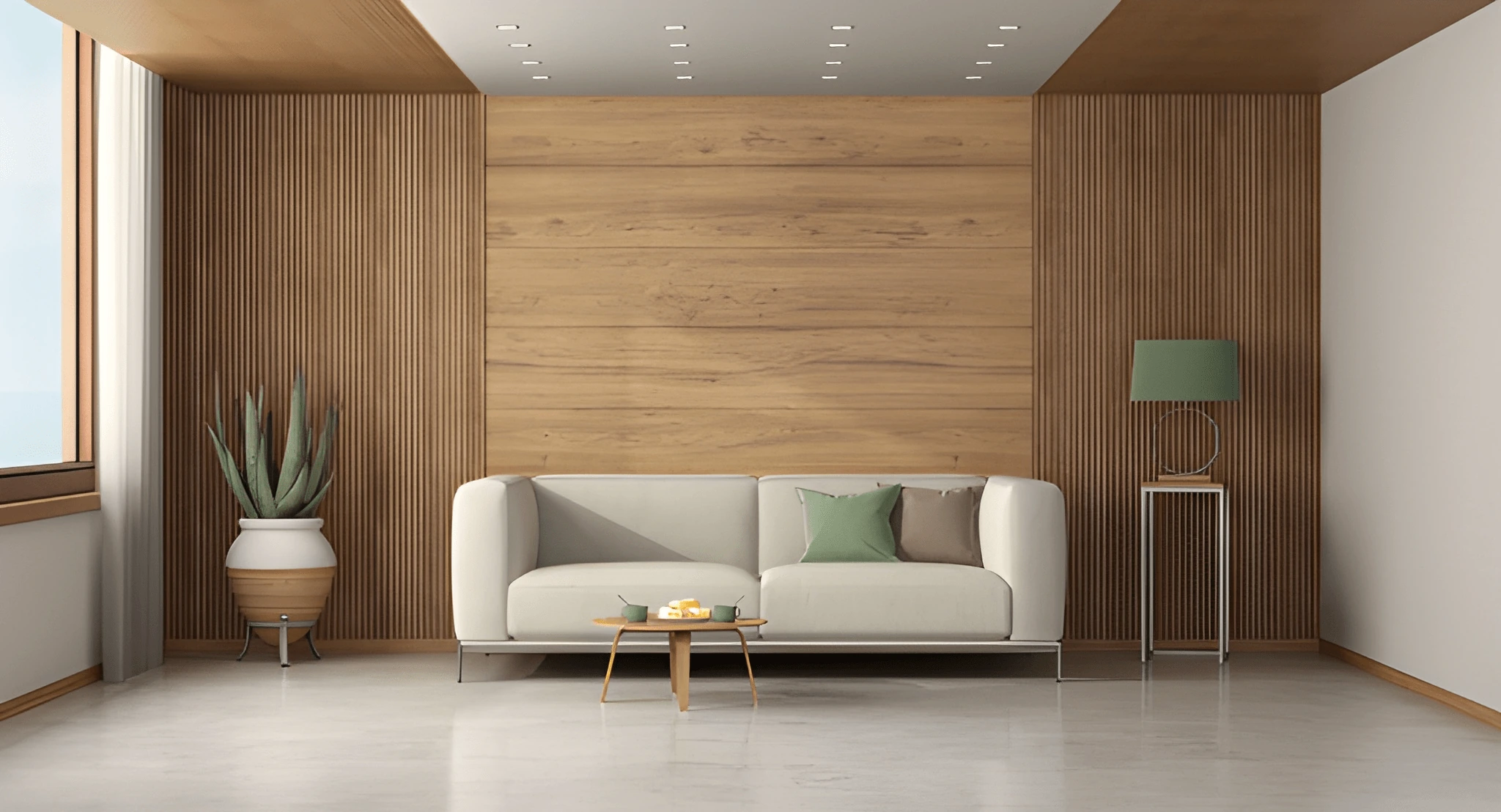
Wall panels
-
Doors
-
Cabinets
Commercial interiors
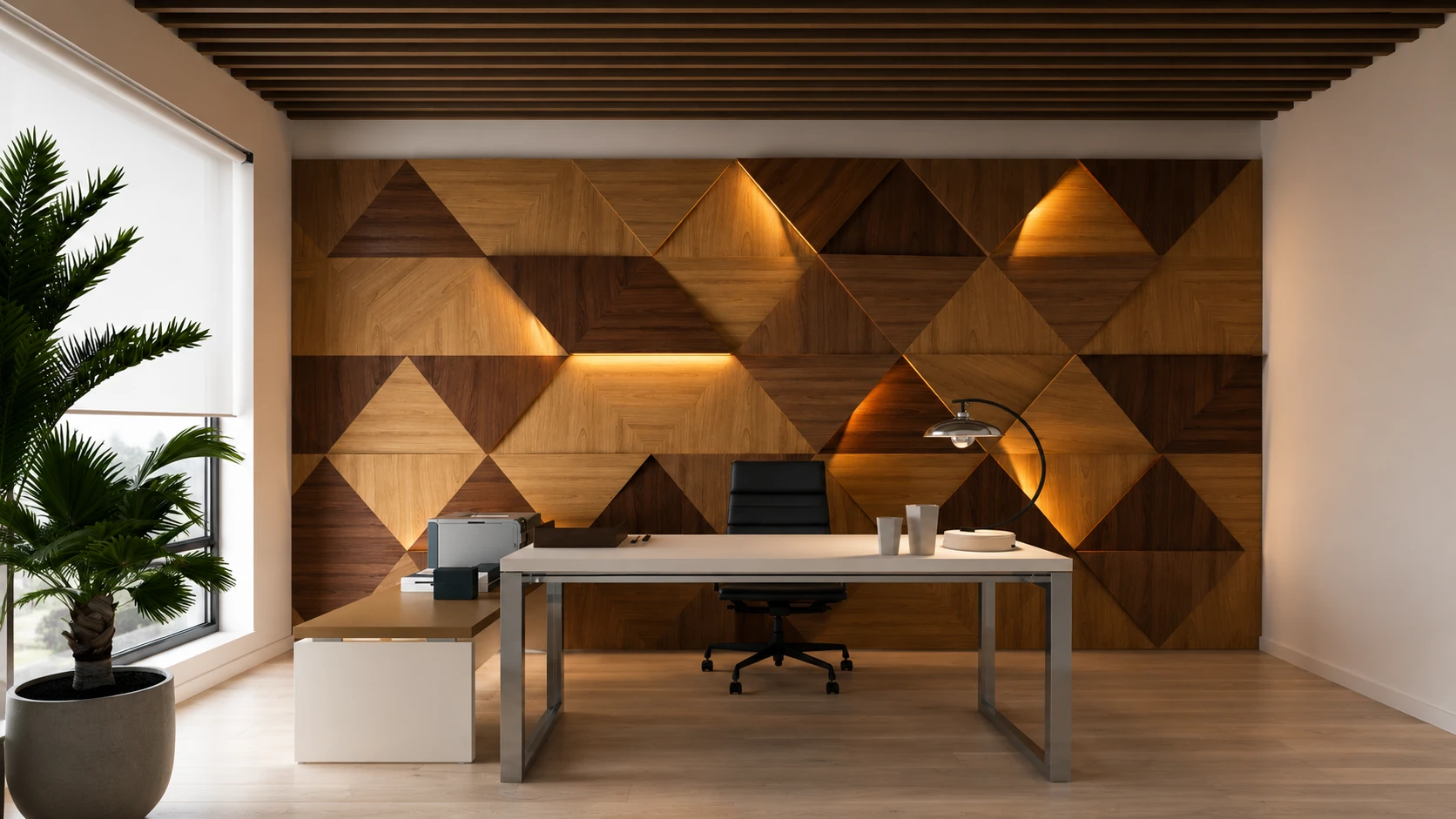
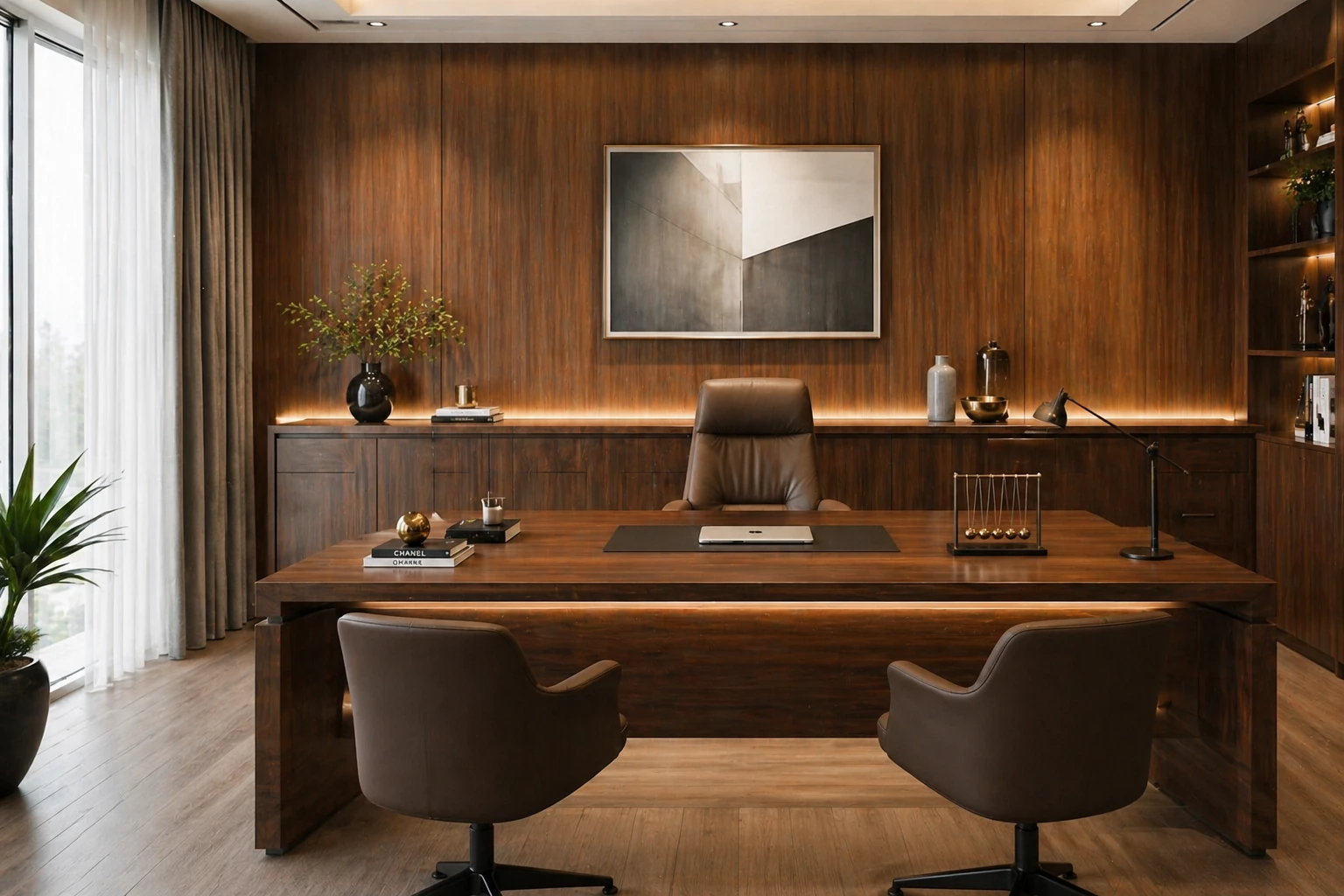
Reception counters, office cabinetry, hotel furniture, restaurant interiors, retail displays, feature walls and executive workspaces can all benefit from the warmth of veneer.
OneWood positions its veneer range for residential, commercial and hospitality applications.
For larger projects, the advantage is being able to coordinate veneer with other surface materials rather than
treating every element separately.
10. Frequently Asked Questions
Natural wood veneer is a thin layer of real timber applied over a stable base such as plywood or MDF. It provides the appearance and grain of genuine wood without requiring the entire panel to be made from solid timber.
There isn't one universal answer. Teak, walnut, oak, maple and other species can work well depending on the furniture style, room, lighting and desired finish. The best choice should be based on the actual application rather than popularity alone.
For a natural appearance and genuine wood character, veneer is usually the stronger choice. Laminate can be more practical where scratch resistance, easy cleaning, uniformity or budget is the priority.
OneWood Surfaces is located in the Kirti Nagar Timber Market at 1/68, Timber Market, Block I, Ware Housing Scheme, Kirti Nagar, Delhi.
Yes. Its current collection includes natural, solid wood, dyed, recon, hybrid, embossed and ombre veneers.
Yes. Veneer is commonly used for feature walls, TV units, office wall panels, furniture and other interior applications. OneWood specifically lists walls, furniture and panels among its applications.
Yes. OneWood states that it supplies veneer in bulk for commercial projects, including offices, hotels, restaurants and residential developments.
According to the company's contact information, it delivers to Delhi, Gurgaon, Noida, Faridabad, Ghaziabad and other NCR locations.
Yes. OneWood says customers can request material samples for veneer, laminates and plywood, particularly for larger projects.
Because veneer is a natural material. Grain, colour, texture and finish can look different on a screen. Seeing the actual sheet makes it much easier to judge whether the material fits your furniture or interior.
11. Final thoughts
A good veneer doesn't need to scream for attention.
Often, the best interiors are the ones where you notice the material without immediately knowing why the space feels
so well finished.
That comes down to choosing the right wood, getting the grain direction right, selecting an appropriate finish and,
perhaps most importantly, buying from someone who understands what they're selling.
If you're comparing options for a home, office, hospitality project or furniture requirement, don't rush the
decision based on price alone.
Shortlist a few veneers. See the actual samples. Ask about matching and finishing. Then choose the material that
makes sense for the space.
For buyers looking for a top veneer manufacturer in Delhi NCR, OneWood Surfaces provides a broad veneer collection
from its Kirti Nagar location, along with plywood, laminates and other interior surface solutions.
That makes it a practical starting point when you're looking for the right veneer—not simply the cheapest sheet
available.
Latest Blogs