Blogs
Best Veneer Supplier in Delhi – Onewood | Kirti Nagar
Best Veneer Supplier in Delhi – Onewood | Kirti Nagar
Still Searching for a Good Veneer Supplier in Delhi? Here's Why Everyone's Talking About Onewood
1. Introduction
Let's be honest ,most people don't think about veneer until they're already in the middle of a renovation, sitting across from a carpenter who's asking them to make a decision they're completely unprepared for.
Sound familiar?
Delhi's interior design scene has grown enormously over the last few years. People are spending more thoughtfully, designing more intentionally, and expecting materials that actually hold up both in terms of look and longevity. And in that conversation, veneer keeps coming up.
But here's the thing - veneer is only as good as the source it comes from. A poor-quality sheet can bubble, peel, or look flat within months. That's why working with a reliable veneer supplier in Delhi matters more than most people realize.
Onewood is one name that keeps coming up among interior designers, furniture makers, and contractors across the city and there are solid reasons for that. Let's get into it.
2. What Exactly Is Wood Veneer — and Why Should You Care?
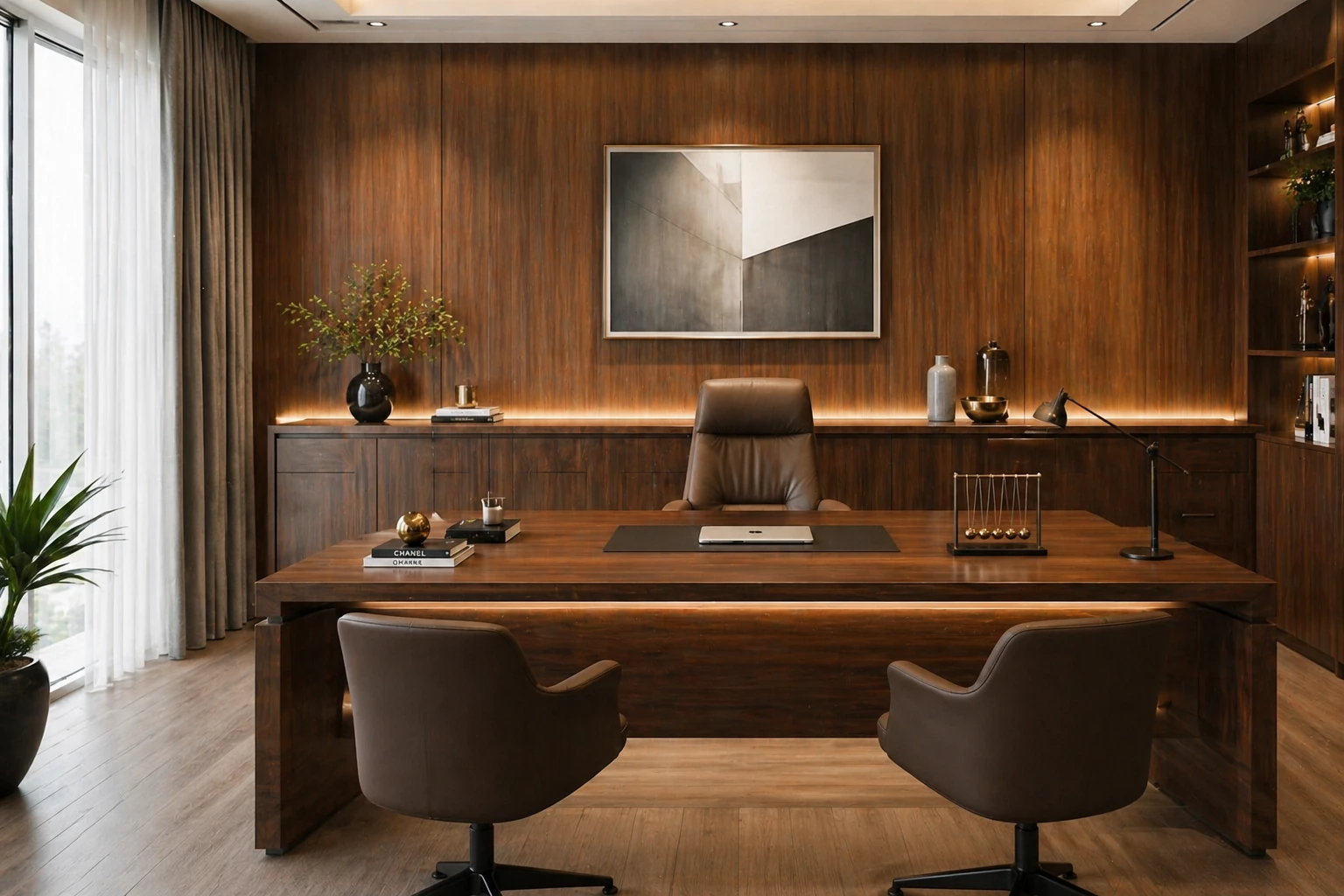
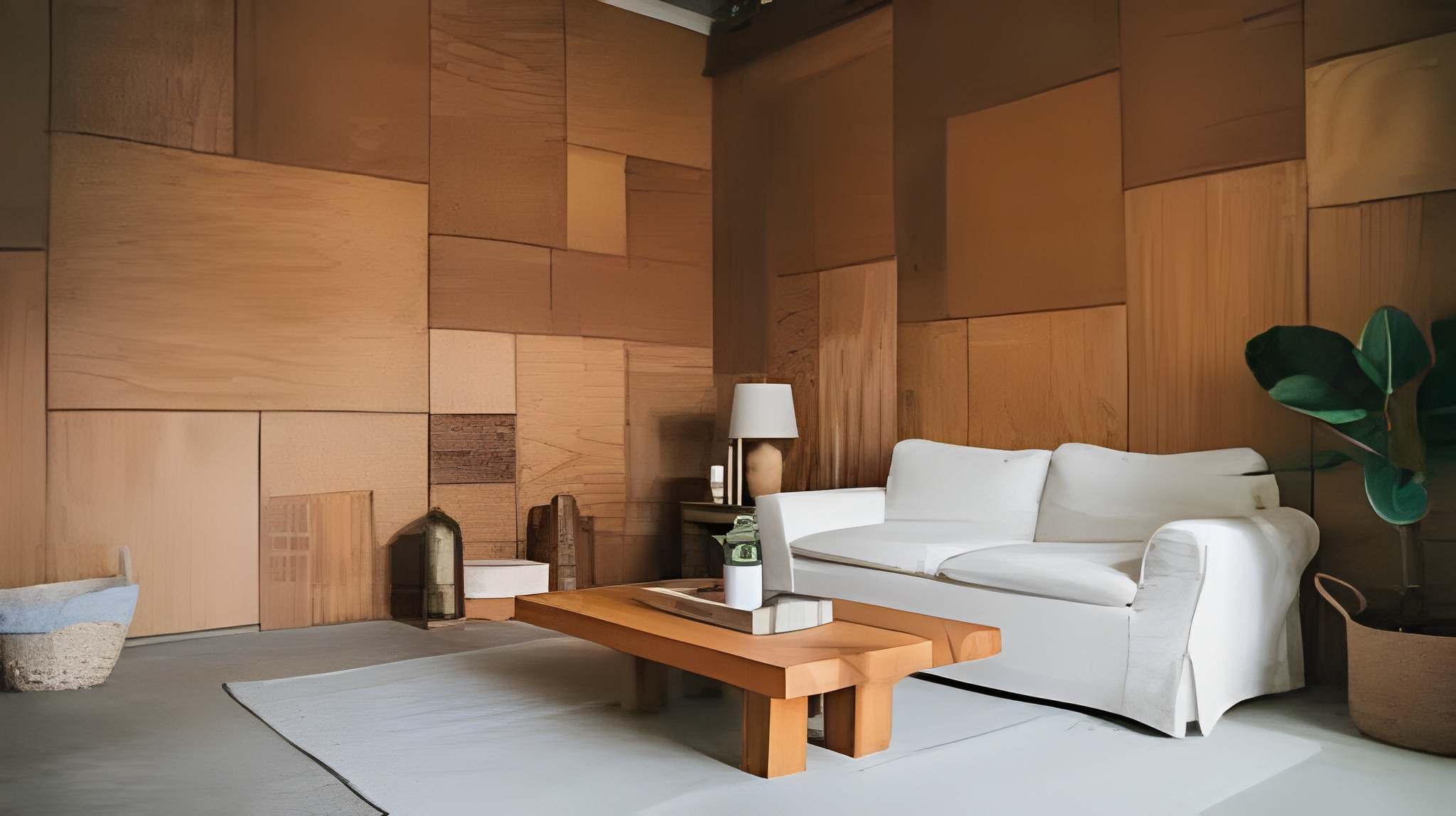
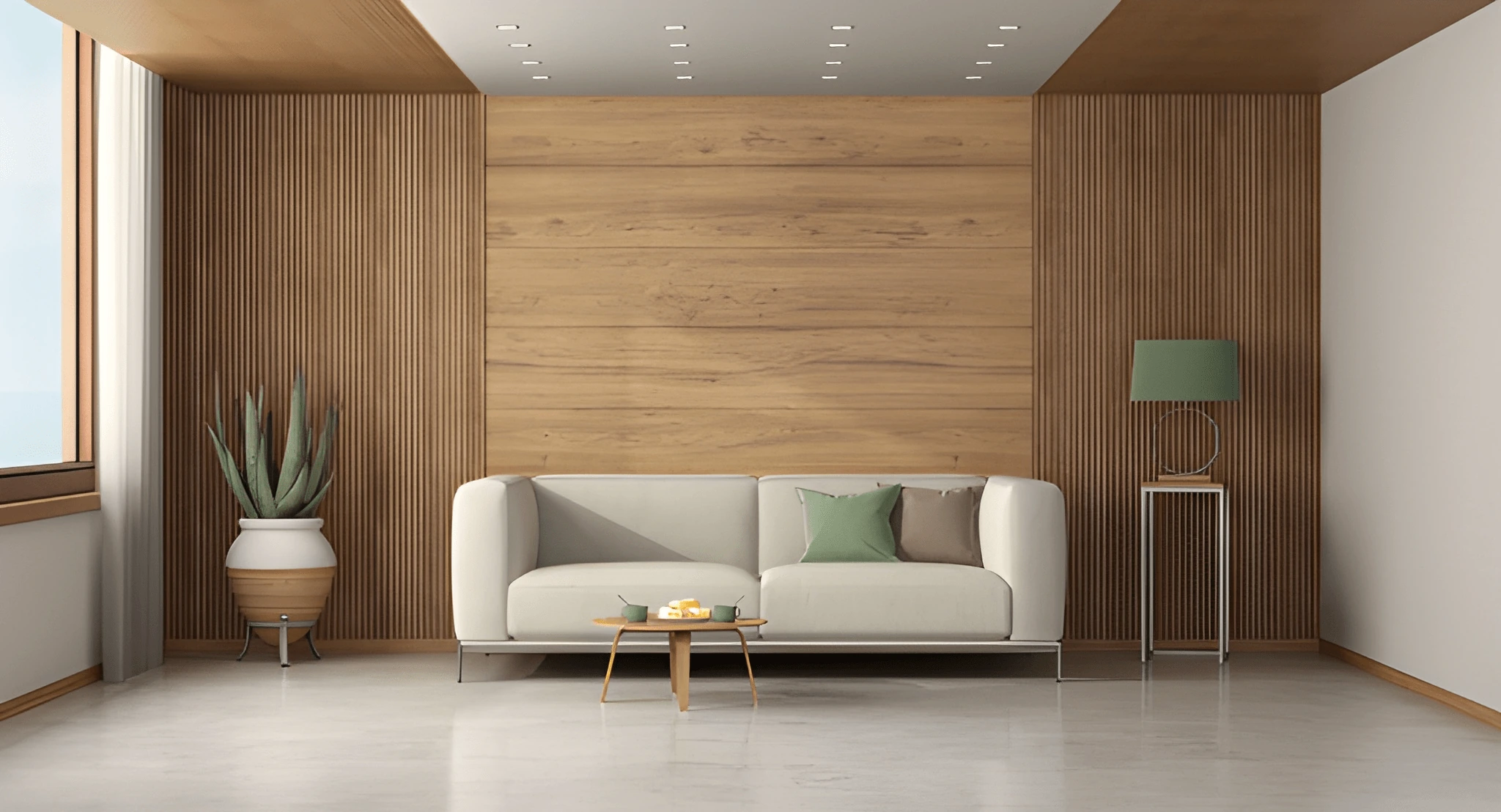
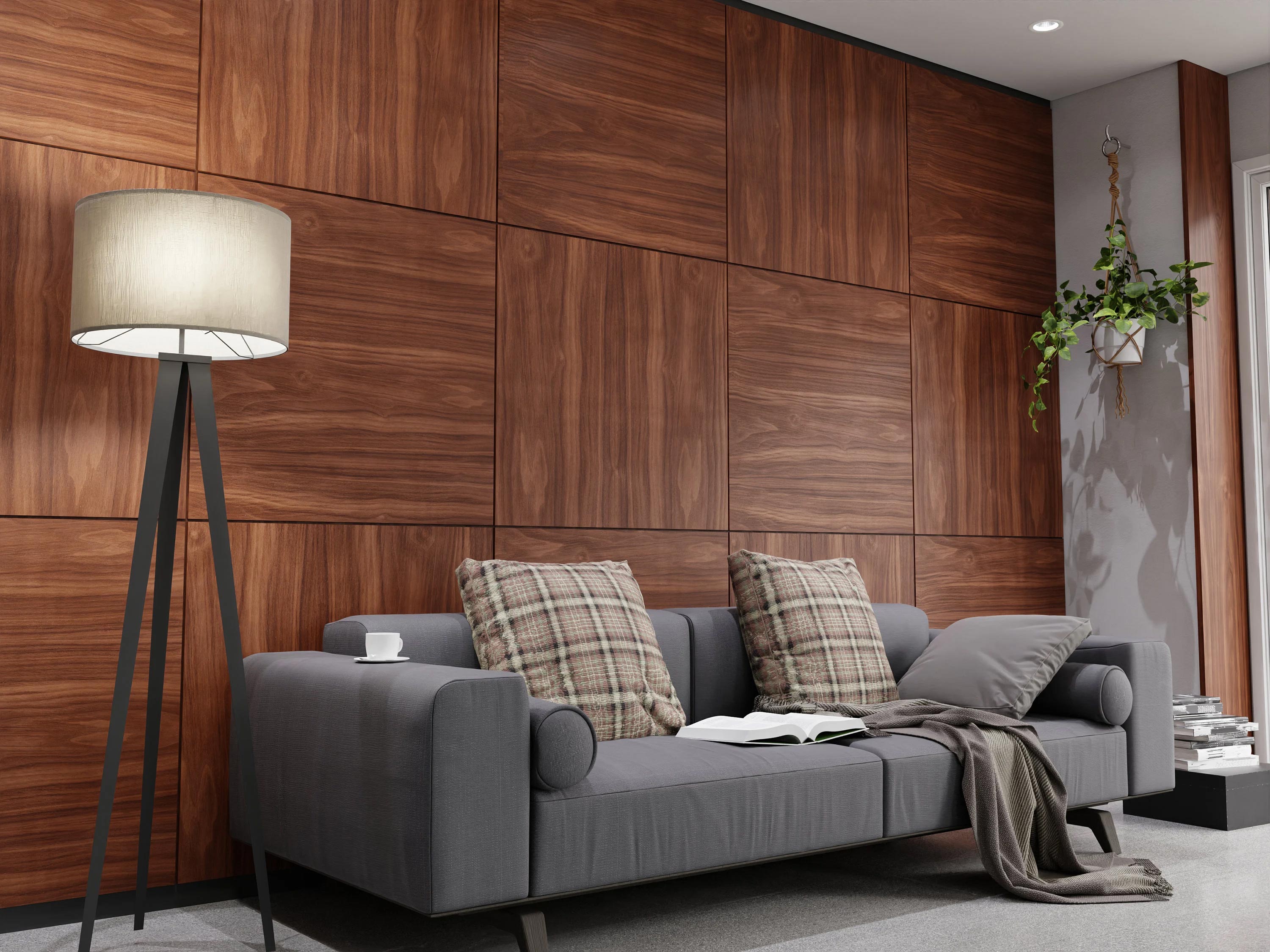
Think of natural wood veneer as the best of both worlds. You get the genuine look, feel, and grain of real wood without needing to use a full solid timber slab for every surface.
Technically, it's a very thin slice of real wood (usually somewhere between 0.5mm to 3mm thick) that gets bonded onto a base panel MDF, plywood, or particleboard being the most common. The surface you see and touch? That's real wood. The grain isn't printed. The texture isn't faked.
This matters because solid wood, especially in premium species like walnut, teak, or wenge, is expensive, heavy, and not always practical for every application. Veneer gives you that same character at a fraction of the material cost which is why craftsmen and designers have been using it for centuries.
Each sheet is also unique. No two pieces of veneer look exactly the same, which gives your furniture or interiors a quality that mass-produced, synthetic finishes simply can't replicate.
3. Wood Veneer vs Laminate - Let's Settle This Once and For All
The wood veneer vs laminate debate comes up constantly — and honestly, both have their place. But they're not the same thing, and treating them as interchangeable is a mistake.
Wood Veneer -What you're actually getting:
-
1. A real wood surface with natural grain and depth
-
2. Can be sanded down, re-polished, and refinished if it gets worn
-
3. Looks genuinely luxurious not just aesthetically close to wood, but actually wood
-
4. Works beautifully for living room furniture, bedroom wardrobes, office cabinetry, and wall paneling
-
5. Costs a bit more upfront, but the lifespan and finish quality justify it
Laminate - Where it makes sense:
-
1. Completely synthetic resin, paper, and plastic layers pressed together
-
2. More resistant to water and scratches in the short term
-
3. Cannot be refinished once damaged what you see is what you're stuck with
-
4. More budget-friendly and practical for utility areas
-
5. Looks uniform and predictable which is great for some projects, limiting for others
Here's a simple way to think about it if you're furnishing a space you actually care about, veneer is the smarter long-term call. If you're fitting out a rental or a space where cost is the only priority, laminate gets the job done. But for anything that needs to look genuinely premium, there's no real competition.
4. Types of Veneer Sheets You'll Actually Come Across
1. Raw Veneer
Unfinished sheets straight from the mill. These are typically used by skilled carpenters and furniture makers who apply their own glue, press, and finish on-site. Maximum control, but requires expertise.
2. Paper-Backed Veneer
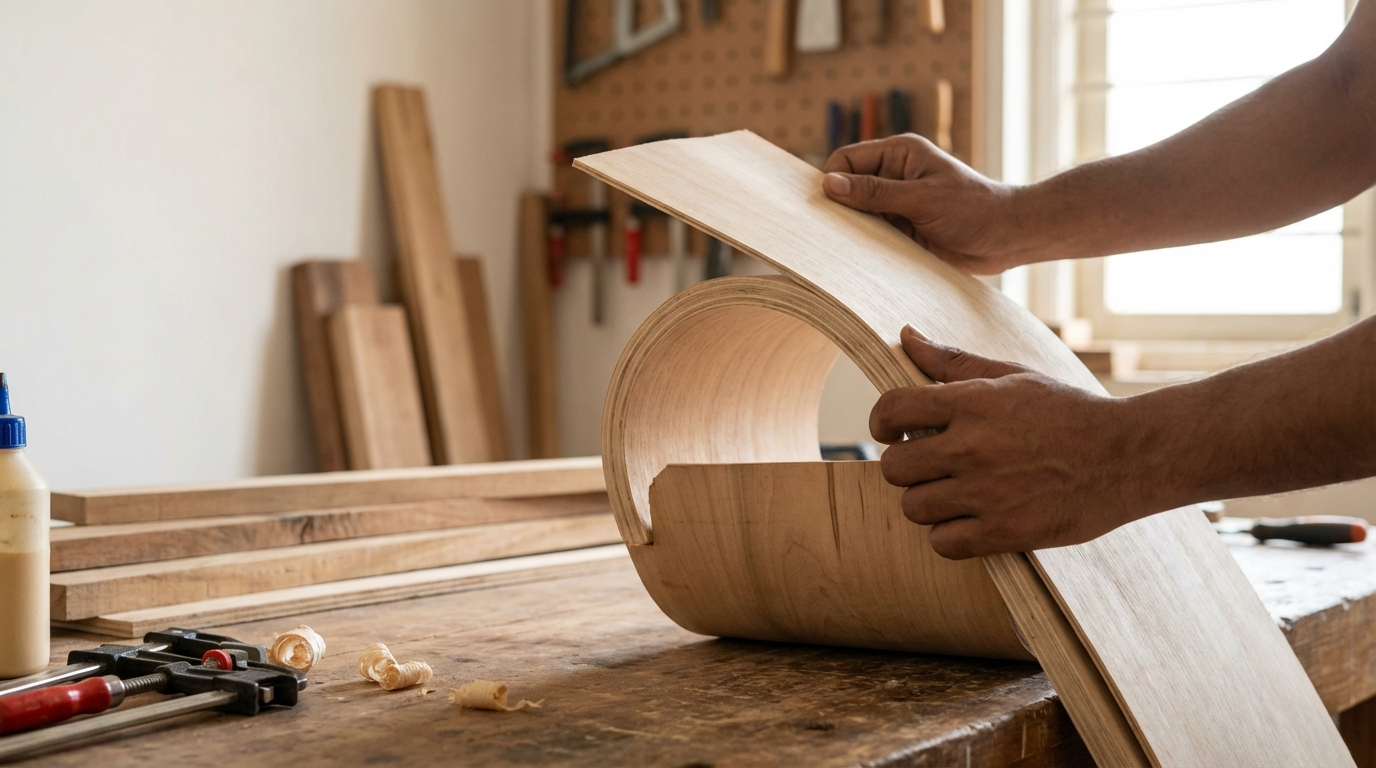
A thin paper layer is attached to the back, which makes the sheet more flexible and reduces the risk of cracking. If your project involves curved surfaces or intricate shapes, this is the one to ask for.
3. Phenolic-Backed Veneer
Here the backing is a resin-soaked paper, which makes the sheet stiffer and more stable. It works well for flat panels, cabinet doors, and applications where you need the veneer to hold its shape firmly.
4. 2-Plywood-on-Wood Veneer
Two veneer layers are bonded together, which significantly increases strength and dimensional stability. A popular choice among furniture manufacturers who need reliability at scale.
5. Reconstituted or Engineered Veneer
This one's interesting it's made by reassembling dyed wood fibers into consistent, repeatable patterns. If you're working on a large project and need every panel to look identical, engineered veneer solves that problem neatly.
At Onewood, all of these types are available and the team can walk you through which one actually suits your specific project, rather than just pushing whatever's in stock.
5. How to Pick the Best Veneer for Furniture Without Getting Confused
The Things That Actually Matter
Finding the best veneer for furniture is less about picking a trend and more about understanding your project. Here's what to keep in mind:
1. The Wood Species
Teak brings warmth and durability. Walnut gives you that deep, chocolatey richness. Oak keeps things light and modern. Wenge is dramatic and dark. There's no universally 'best' species it depends on the room, the furniture style, and the finish you're going for.
2. Sheet Thickness
Thicker veneers are more forgiving during sanding and finishing especially important if the furniture will see daily wear and tear. Don't compromise on thickness for high-use pieces.
3. Backing Quality
This is where a lot of buyers go wrong. A beautiful grain with a poor backing will bubble, warp, or peel eventually. Always check what's behind the sheet, not just what's on top.
4. Grain Matching
For large surfaces think full wardrobe shutters or wall cladding inconsistent grain matching looks messy and amateurish. A good supplier understands this and can help you select sheets that work together visually.
5. How It Takes Finish
Some wood species absorb stains and lacquers beautifully. Others are tricky. If you have a specific color tone in mind, talk to your supplier before buying it can save you a lot of rework later.
6. What Makes Onewood a Trusted Premium Veneer Supplier in Delhi
It's Not Just About Having Good Stock
A lot of suppliers in Delhi have decent stock. What separates a genuinely good premium veneer supplier in Delhi from the rest is everything that happens around the product the guidance, the consistency, the reliability.
Quality That Holds Up on Site
Every sheet at Onewood goes through proper quality checks before it's sold. You're not picking through inconsistent batches hoping to find something usable. What you see is what you get and what you get is good.
A Range That Actually Covers Real Project Needs
Natural teak, walnut, oak, maple, wenge, and engineered options , Onewood carries a selection broad enough for both a single bedroom renovation and a large-scale commercial project. You won't need to run around to five different suppliers trying to piece together your material list.
Professionals Keep Coming Back — That Says a Lot
Some of Delhi's most active interior designers and furniture manufacturers source regularly from Onewood. That kind of repeat business doesn't happen by accident. It comes from consistent quality, honest dealings, and a team that actually understands the trade.
Guidance That Goes Beyond the Sale
Walk into Onewood with a half-formed idea and you'll walk out with clarity. The team doesn't just process orders , they help you figure out what you actually need based on your project, budget, and finish goals.
7. Looking for the Best Place to Buy Veneer in Delhi? Here's Where to Go
Onewood at Kirti Nagar — Right in the Heart of It All
If you've been looking for the best place to buy veneer in Delhi, the answer is almost certainly going to point you toward Kirti Nagar. It's been Delhi's hub for quality interior materials for decades, and anyone serious about finishes knows to start there.
Onewood's presence as a leading veneer supplier in Kirti Nagar puts it right in the middle of that ecosystem - accessible, well-stocked, and surrounded by the kind of professional environment that keeps standards high.
What makes visiting in person worthwhile is the ability to actually handle the material. Looking at veneer on a screen doesn't tell you how the grain catches light or how a finish will actually sit on it. Coming to the showroom, pulling out samples, holding them up that's where real decisions get made.
Whether you're buying a few sheets or placing a bulk order for a full project, the experience at Onewood is built around making that process straightforward.
8. Conclusion
Good veneer, sourced from the right place, can genuinely transform a space. It brings the soul of real wood into interiors and furniture without the impracticality of using solid timber throughout and when the quality is right, it ages beautifully.
If you've been going back and forth on where to source your materials, or you've had poor experiences with inconsistent quality before, it might be time to try a supplier who actually takes this seriously.
Onewood has built its reputation as a trusted veneer supplier in Delhi through straightforward things good product, honest guidance, and reliability. For anyone working in or around Kirti Nagar, or simply looking for the best place to buy veneer in Delhi, it's a name worth remembering.
9. Frequently Asked Questions (FAQs)
It genuinely depends on what you're building and the look you're going for. Teak is a strong all-rounder durable, warm-toned, and widely loved. Walnut works beautifully for premium, darker furniture. Oak gives a cleaner, more contemporary feel. If you're unsure, talking to a knowledgeable supplier before buying is always the smarter move.
It's a thin slice of real wood typically between 0.5mm and 3mm thick that's bonded onto a base material like MDF or plywood. The surface is genuinely wood, with real grain and texture, which is what gives it a depth and warmth that synthetic alternatives can't quite replicate.
The main ones you'll come across are raw veneer, paper-backed veneer, phenolic-backed veneer, 2-ply wood-on-wood veneer, and reconstituted or engineered veneer. Each has specific applications the right type depends on your surface, your process, and how much flexibility or rigidity the project needs.
For most wardrobes, especially in bedrooms or spaces where the finish is visible and matters veneer is the better long-term choice. It can be re-polished and refinished over time. Laminate, once it's scratched or worn, can't really be salvaged. If the budget allows, veneers almost always age better.
Onewood is well-established in Kirti Nagar and is a go-to for interior designers, carpenters, and contractors working across Delhi. The range is broad, the quality is consistent, and the team is genuinely helpful which makes a real difference when you're making decisions under project pressure.
Yes, absolutely. Onewood regularly supplies materials for both residential and large-scale commercial fit-outs. If you have a project that needs consistent supply across multiple sheets or species, it's worth getting in touch with them directly to discuss your requirements.
Latest Blogs